


Essential Artist Project Management Tips for Creative Success
- smoter@artskeeper.com

- Feb 10
- 3 min read
Managing art projects can be both exciting and challenging. Whether you are working on a solo exhibition, a commissioned piece, or a collaborative installation, organizing your time, resources, and ideas is crucial. Effective artist project management helps you stay on track, meet deadlines, and bring your creative vision to life without unnecessary stress.
Understanding Artist Project Management
Artist project management involves planning, organizing, and controlling your creative projects from start to finish. Unlike traditional project management, it requires flexibility to accommodate inspiration and experimentation while maintaining structure to achieve goals.
To begin, define your project clearly. Ask yourself:
What is the purpose of this project?
What are the key deliverables?
What is the timeline?
What resources do I need?
For example, if you are preparing for an art show, your deliverables might include finished artworks, promotional materials, and installation plans. Setting a timeline with milestones such as sketch completion, painting phases, and framing deadlines will help you monitor progress.
Using tools like calendars, to-do lists, or project management apps can keep your tasks organized. Prioritize tasks by importance and deadlines to avoid last-minute rushes.

Practical Tips for Managing Art Projects Efficiently
Here are some actionable tips to improve your artist project management skills:
Break Down Large Projects
Divide your project into smaller, manageable tasks. For instance, if creating a mural, break it down into concept development, sketching, surface preparation, painting, and finishing touches.
Set Realistic Deadlines
Avoid overestimating how much you can do in a day. Factor in time for creative blocks and unexpected delays.
Track Your Progress
Keep a journal or digital log of your daily or weekly achievements. This helps maintain motivation and identify areas needing adjustment.
Budget Wisely
Calculate costs for materials, studio time, framing, and shipping. Keep receipts and track expenses to stay within budget.
Communicate Clearly
If working with clients or collaborators, maintain open communication. Share updates and ask for feedback regularly.
Use Visual References
Create mood boards or sketches to visualize your ideas and keep your project aligned with your vision.
Stay Flexible
Allow room for creative changes but balance them with your schedule and resources.
By applying these tips, you can reduce stress and increase productivity in your art projects.
Tools and Techniques to Enhance Your Workflow
Technology offers many tools that can simplify artist project management:
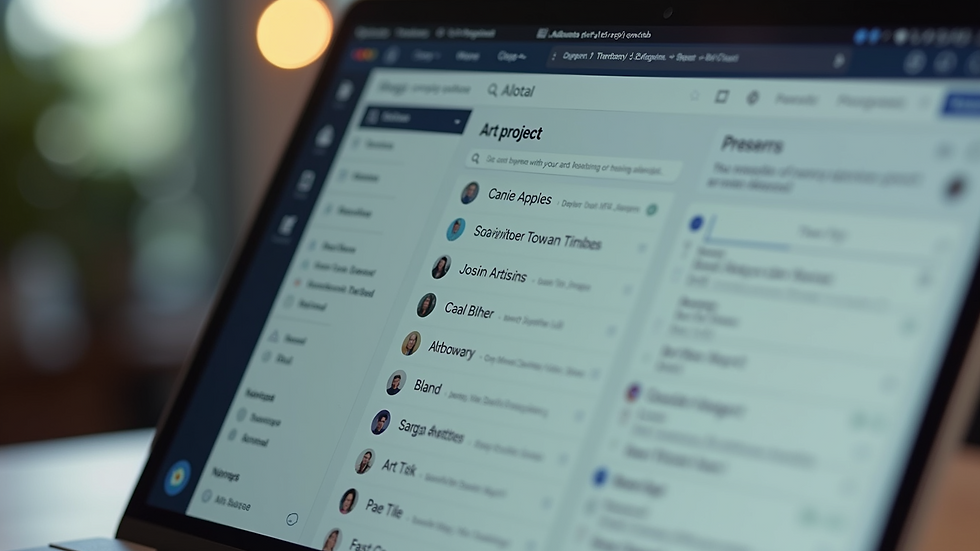
Project Management Apps: Tools like Trello, Asana, or Notion help you organize tasks, set deadlines, and collaborate with others.
Time Tracking Software: Apps like Toggl or Clockify allow you to monitor how much time you spend on each task, helping you optimize your workflow.
Digital Calendars: Google Calendar or Outlook can send reminders for important deadlines and events.
Cloud Storage: Use Google Drive or Dropbox to store and share files securely.
Budgeting Tools: Simple spreadsheets or apps like Mint can help you manage your finances.
Experiment with different tools to find what fits your style best. Combining digital tools with traditional methods like sketchbooks and sticky notes can create a balanced system.
Managing Time and Avoiding Burnout
Time management is critical for artists who often juggle multiple projects or freelance work. Here are strategies to help you manage your time effectively:
Create a Daily Schedule: Allocate specific blocks of time for creative work, administrative tasks, and breaks.
Use the Pomodoro Technique: Work for 25 minutes, then take a 5-minute break. Repeat to maintain focus.
Set Boundaries: Define your working hours and avoid distractions during those times.
Prioritize Self-Care: Ensure you get enough rest, exercise, and social interaction to maintain mental and physical health.
Learn to Say No: Avoid overcommitting to projects that do not align with your goals or capacity.
By managing your time wisely, you can sustain your creativity and avoid burnout.
Collaborating and Networking for Project Success
Collaboration can enhance your projects by bringing in new ideas and skills. Here are tips for successful collaboration:
Choose the Right Partners: Work with people who share your vision and work ethic.
Define Roles Clearly: Establish who is responsible for each task to avoid confusion.
Set Communication Channels: Use email, messaging apps, or regular meetings to stay connected.
Respect Deadlines: Hold yourself and others accountable to agreed timelines.
Celebrate Achievements: Acknowledge milestones and successes together.
Networking also opens doors to new opportunities, clients, and resources. Attend art events, join online communities, and engage with fellow artists to build your network.
By combining effective project management with strong collaboration, you can elevate your artistic projects to new heights.
Mastering artist project management is a journey that blends creativity with organization. By applying these tips and tools, you can bring your artistic visions to life more efficiently and enjoyably. For more detailed guidance, explore resources on project management for artists to deepen your skills and confidence.


Comments